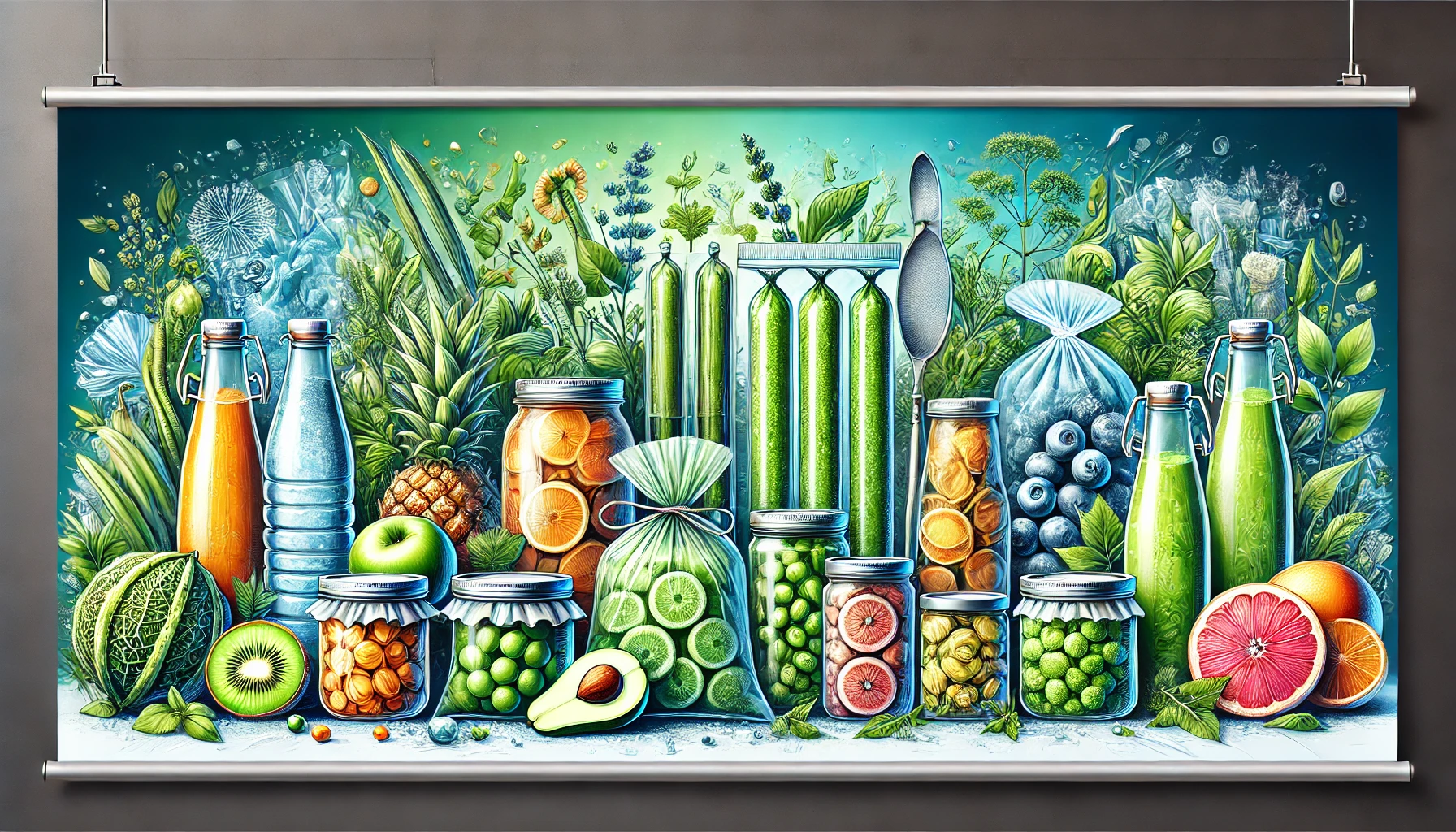
Food preservation has been a cornerstone of human survival and innovation for centuries. From ancient salting techniques to modern freezing and vacuum sealing, preserving food allows us to extend its shelf life, maintain quality, and reduce waste. But what is the science behind food preservation, and how do these methods impact the food we eat?
This article explores the science of food preservation, breaking down key techniques, how they work, and their effects on food safety and nutritional value.
What is Food Preservation?

Food preservation refers to the processes used to slow down spoilage, maintain freshness, and protect food from harmful microorganisms. This involves controlling factors like temperature, moisture, and air exposure to extend the food’s usability while retaining its taste, texture, and nutrients.
The Science Behind Food Spoilag
Before understanding preservation, it’s essential to know why food spoils. Food degradation is caused by:
- Microbial Growth: Bacteria, molds, and yeasts multiply, breaking down food components and causing spoilage.
- Enzymatic Activity: Enzymes in food can trigger natural degradation, such as ripening in fruits or fat oxidation.
- Chemical Reactions: Exposure to oxygen and light can lead to nutrient loss and rancidity.
Preservation techniques combat these factors by creating environments that inhibit microbial growth and minimize enzymatic or chemical changes.
Top Food Preservation Methods and Their Science
1. Freezing: Locking in Freshness
Freezing is one of the most effective and widely used food preservation methods.
- How It Works:
Freezing lowers the temperature of food below 0°C (32°F), halting microbial activity and slowing enzymatic reactions. Water in the food forms ice crystals, preventing bacteria from multiplying. - Impact on Food Quality:
Freezing preserves nutrients effectively, though improper storage or fluctuating temperatures can cause freezer burn or vitamin loss. - Best For:
Fruits, vegetables, meats, seafood, and prepared meals.
2. Canning: A Sterile Solution
Canning involves sealing food in airtight containers after heating to destroy microorganisms.
- How It Works:
The heat sterilizes the food, killing bacteria, yeasts, and molds. The airtight seal prevents recontamination and keeps oxygen out, preserving freshness. - Impact on Food Quality:
Some heat-sensitive nutrients, like vitamin C, may degrade during the canning process, but canned foods remain safe and nutritious for extended periods. - Best For:
Soups, fruits, vegetables, and meats.
3. Drying: Removing Moisture
Drying is one of the oldest preservation techniques, used to inhibit microbial growth by removing water.
- How It Works:
Microorganisms require water to survive and multiply. By reducing moisture content, drying creates an inhospitable environment for bacteria, molds, and yeasts. - Impact on Food Quality:
Dried foods retain many nutrients but may lose some water-soluble vitamins, such as vitamin C. Proper storage in airtight containers prevents reabsorption of moisture. - Best For:
Fruits, herbs, meats (e.g., jerky), and grains.
4. Vacuum Sealing: Protecting from Air
Vacuum sealing removes air from packaging to reduce oxidation and microbial growth.
- How It Works:
Oxygen is removed from the package, creating an anaerobic environment that slows down spoilage. This method is often combined with freezing for long-term preservation. - Impact on Food Quality:
Vacuum sealing retains food texture, flavor, and nutrients by preventing oxidation. - Best For:
Meats, seafood, coffee beans, and snacks.
5. Pickling and Fermentation: Preserving with Acidity
Pickling and fermentation use acids or natural fermentation to preserve food while enhancing flavor.
- How It Works:
Acidic environments (from vinegar or lactic acid fermentation) inhibit bacterial growth. Fermentation also promotes the growth of beneficial probiotics. - Impact on Food Quality:
Fermented foods like kimchi and yogurt contain live cultures that support gut health, though heat pasteurization may destroy probiotics. - Best For:
Vegetables (e.g., cucumbers, cabbage), dairy products (e.g., yogurt, cheese), and fish.
6. Pasteurization: Heat for Safety
Pasteurization uses heat to destroy harmful pathogens in liquids and semi-solid foods.
- How It Works:
Food is heated to a specific temperature for a short duration, killing bacteria without altering the food’s quality significantly. - Impact on Food Quality:
Nutrient loss is minimal, making it a safe method for preserving liquids like milk and juices. - Best For:
Milk, juices, and packaged liquid products.
Benefits of Food Preservation
- Extended Shelf Life: Foods stay fresh and safe for longer, reducing waste.
- Convenience: Pre-preserved foods like frozen meals and canned goods save time in meal preparation.
- Nutrient Retention: Modern techniques like freezing and vacuum sealing retain nutrients effectively.
- Cost Savings: Bulk-buying and preserving seasonal produce can save money.
Does Food Preservation Impact Nutritional Value?
Food preservation methods aim to retain nutrients as much as possible, but there can be slight changes:
- Minimal Nutrient Loss: Techniques like freezing and vacuum sealing preserve most nutrients, with minor losses of heat-sensitive vitamins.
- Stable Nutrients: Macronutrients (proteins, fats, and carbohydrates) and minerals like calcium and potassium remain largely unaffected.
Modern preservation methods are designed to balance convenience with nutritional quality.
How to Choose the Right Preservation Method
The best method depends on the type of food and your storage needs:
- Freezing: Best for fresh produce, meats, and prepared meals.
- Canning: Ideal for soups, sauces, and long-term pantry items.
- Drying: Great for snacks like dried fruits and jerky.
- Vacuum Sealing: Perfect for bulk items you plan to freeze or store.
- Pickling: Best for enhancing flavor while preserving vegetables.
FAQs About Food Preservation
1. What is the best method for preserving nutrients?
Freezing and vacuum sealing are among the best methods for retaining nutrients.
2. Does food preservation involve harmful chemicals?
Most modern preservation methods, like freezing and vacuum sealing, do not involve added chemicals.
3. How long can preserved food last?
Depending on the method, preserved food can last from a few weeks (refrigeration) to several years (canning and freezing).
4. Does drying food reduce its nutritional value?
Drying may cause some loss of water-soluble vitamins, but minerals and fiber remain intact.
5. Can frozen food be as nutritious as fresh food?
Yes, frozen food often retains nutrients better than fresh produce that has been stored for several days.