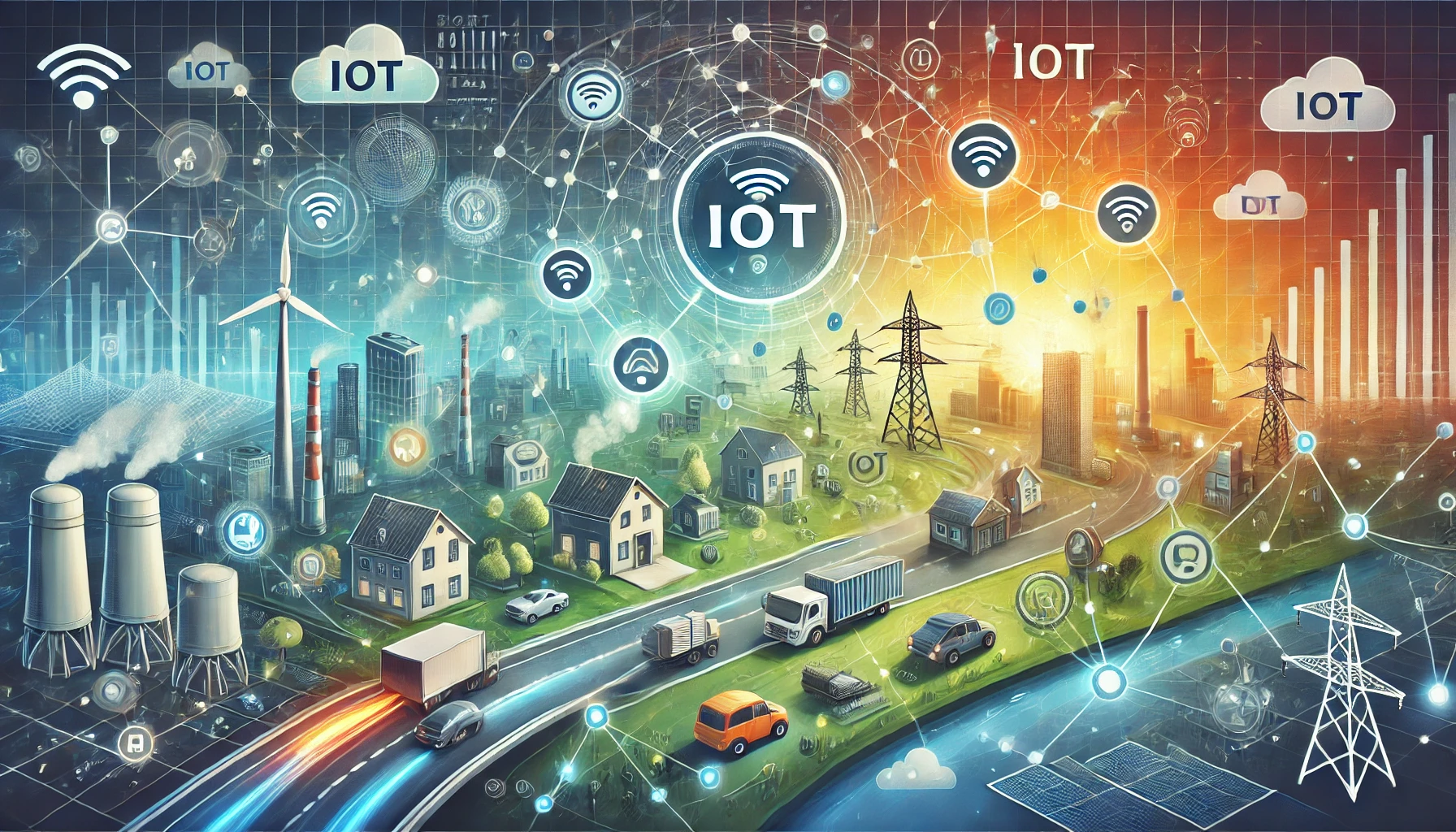
The Internet of Things (IoT) is revolutionizing the way we interact with technology, transforming ordinary environments into smart ecosystems. By enabling devices to communicate and exchange data, IoT plays a pivotal role in developing smart cities, smart homes, and smart industries. The seamless integration of IoT technologies enhances efficiency, automation, and connectivity, making everyday life more convenient and optimized.
This article delves into the role of IoT in smart technologies, exploring how IoT is driving innovation and improving quality of life across various sectors.
How IoT Powers Smart Cities
Smart cities are urban areas that use IoT technology to manage resources efficiently, improve services, and enhance the quality of life for residents. IoT solutions in smart cities enable real-time data collection and analysis, leading to better decision-making and resource allocation.
1. Smart Traffic Management
IoT sensors and cameras help monitor traffic patterns, reducing congestion and optimizing traffic flow. Smart traffic lights adjust in real-time based on vehicle density, reducing travel times and emissions.
2. Smart Waste Management
Smart bins equipped with IoT sensors detect waste levels and notify waste management systems when they need emptying. This reduces unnecessary collection trips, saving time and resources.
3. Energy Management
Smart grids and IoT-enabled devices help monitor and manage energy consumption more effectively. By analyzing data from various sources, cities can reduce energy waste and transition to sustainable energy solutions.
Explore more about IoT in smart cities at Smart Cities Dive.
IoT in Smart Homes
In smart homes, IoT technology connects appliances and systems, allowing homeowners to control and automate various functions remotely. This integration not only provides convenience but also enhances security and energy efficiency.
1. Home Automation
IoT devices like smart thermostats, lighting, and security systems can be controlled remotely via smartphones or voice assistants. Homeowners can set schedules, monitor energy usage, and receive alerts, improving overall home management.
2. Enhanced Security
Smart locks, cameras, and alarm systems provide real-time monitoring and alerts. IoT enables homeowners to secure their homes more effectively, with the ability to grant or restrict access remotely.
3. Energy Efficiency
Smart appliances and energy management systems track and optimize energy consumption, reducing waste and lowering utility bills. IoT-powered smart meters provide insights into usage patterns, encouraging more sustainable habits.
Learn more about smart home technologies at Smart Home World.
The Role of IoT in Smart Industries
IoT is transforming industries by enabling the Industrial Internet of Things (IIoT), which enhances operational efficiency, predictive maintenance, and supply chain management.
1. Predictive Maintenance
IoT sensors monitor equipment health in real-time, predicting failures before they occur. This reduces downtime and maintenance costs, ensuring continuous operations in industries like manufacturing and logistics.
2. Supply Chain Optimization
IoT solutions track goods throughout the supply chain, providing real-time data on location, condition, and delivery status. This visibility helps companies streamline operations and reduce losses.
3. Smart Manufacturing
IoT enables smart factories where machines and systems communicate to optimize production processes. Automated systems can adjust to demand fluctuations, improving productivity and reducing waste.
Read more about how IoT is revolutionizing manufacturing in our comprehensive guide.
Challenges and Considerations in IoT Deployment
While the role of IoT in smart technologies is transformative, there are challenges that need to be addressed for successful deployment and operation.
1. Security Concerns
With the increasing number of connected devices, ensuring data security and privacy is crucial. IoT devices can be vulnerable to cyberattacks if not properly secured.
2. Interoperability
Different IoT devices and platforms may not always communicate effectively. Standardization is essential to ensure seamless integration across various systems and devices.
3. Data Management
IoT generates massive amounts of data, requiring robust data management and analytics solutions. Efficient handling of this data is necessary to derive actionable insights.
Understand more about IoT security challenges at IoT Security Foundation.
Future of IoT in Smart Technologies
The future of IoT in smart technologies is promising, with advancements in 5G, artificial intelligence (AI), and machine learning (ML) driving further innovation. These technologies will enable faster communication, more accurate data analysis, and increased automation, enhancing the capabilities of IoT devices and systems.
1. IoT and 5G
The rollout of 5G networks will provide faster and more reliable connectivity, essential for real-time IoT applications. This will support the growth of smart cities, autonomous vehicles, and industrial automation.
2. AI and IoT Integration
The integration of AI with IoT devices will enable smarter decision-making and predictive analytics. AI can process data collected by IoT devices, providing insights that enhance automation and efficiency.
3. Expansion of Smart Ecosystems
As IoT technology evolves, we can expect the expansion of smart ecosystems, connecting everything from wearable devices to entire smart cities. This interconnected network will drive innovation across various sectors, improving everyday life and business operations.
Learn about the impact of 5G on IoT in our detailed analysis.
Conclusion
The role of IoT in smart technologies is central to creating more connected, efficient, and automated environments. From smart cities and homes to industries, IoT is transforming the way we live and work, enhancing convenience and sustainability. As technology advances, the potential for IoT to further revolutionize various sectors continues to grow, promising a future of seamless connectivity and innovation.